

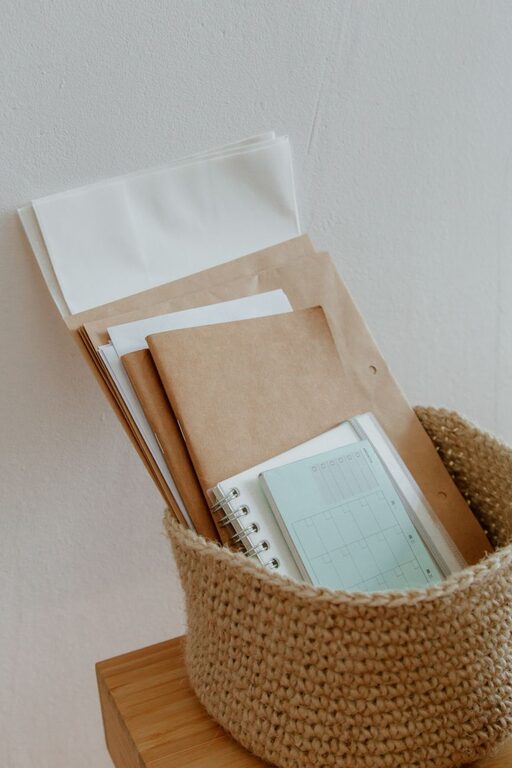
Paper clutter can quickly accumulate in any household, leading to disorganization and stress. From bills and receipts to magazines and mail, paper seems to multiply without warning. If you’re looking to simplify your life and create a tidier living space, reducing paper clutter is a great place to start. This post offers practical, easy-to-follow strategies to help you manage and minimize paper clutter at home.
Why Reducing Paper Clutter Matters
Having a lot of paper around can make it harder to find important documents, cause unnecessary stress, and take up valuable space. By controlling the amount of paper you keep, you create a more peaceful environment and improve your home’s overall organization.
—
Step 1: Sort and Purge Regularly
The first step to reducing paper clutter is to sort what you have and get rid of anything unnecessary.
– Gather all your papers: Collect papers from around your home — desks, drawers, counters.
– Create categories: Sort papers into piles like “Keep,” “Recycle/Shred,” and “Action Needed.”
– Be ruthless: Shred bills that have been paid, expired warranties, junk mail, or old receipts.
– Set a regular schedule: Commit to sorting paper weekly or monthly to prevent buildup.
—
Step 2: Go Digital Wherever Possible
Technology makes it easier than ever to reduce physical paper.
– Opt for electronic statements: Many banks, utility companies, and services offer paperless billing.
– Use scanning apps: Digitize important documents and receipts with smartphone scanning apps.
– Store files in the cloud: Keep scanned documents organized and accessible via cloud storage like Google Drive or Dropbox.
– Switch to digital note-taking: Use apps for to-do lists, reminders, and journaling instead of paper notebooks.
—
Step 3: Create a Dedicated Paper Management Station
Having a specific area to handle incoming paper can help keep clutter under control.
– Set up an inbox tray: Place a tray or basket near your entryway or workspace for incoming mail and papers.
– Use labeled folders: Sort and file papers by category, such as “Bills,” “Receipts,” “School,” or “Important Documents.”
– Process mail daily: Make it a habit to empty your inbox, sort, and act on papers immediately.
– Avoid piling: Don’t let papers sit in stacks — file or recycle them as soon as possible.
—
Step 4: Reduce Junk Mail and Flyers
Junk mail often contributes heavily to paper clutter.
– Opt out of unsolicited mail: Register on your country’s “Do Not Mail” or “Opt-Out” lists.
– Contact companies directly: Request to be removed from mailing lists.
– Decline flyers and catalogs: Use “No Junk Mail” stickers on your mailbox.
– Recycle immediately: If unwanted mail arrives, recycle it right away without bringing it inside.
—
Step 5: Organize Important Documents Efficiently
Some papers must be kept for legal or personal reasons. Managing these efficiently saves space.
– Use a filing cabinet or box: Store important documents safely in one place.
– Create broad categories: For example, “Taxes,” “Medical,” “Insurance,” “Home,” and “Personal.”
– Use color-coded folders: Assign colors to categories for quick identification.
– Review annually: Remove outdated documents regularly to keep the system manageable.
—
Step 6: Simplify Paperwork Habits
Changing daily habits helps maintain a clutter-free home.
– Handle paperwork immediately: Open mail and deal with documents as soon as they arrive.
– Limit paper use: Print only when necessary and use both sides of paper when possible.
– Keep a shredder handy: Quickly destroy sensitive paper you no longer need.
– Teach family members: Encourage everyone in the household to follow paper management habits.
—
Bonus Tips for a Paper-Free Lifestyle
– Switch magazine subscriptions to digital editions.
– Use email instead of paper invitations and announcements.
– Maintain a digital calendar rather than a paper planner.
– Use digital coupons and gift cards instead of paper versions.
—
Final Thoughts
Reducing household paper clutter doesn’t have to be overwhelming. By sorting regularly, embracing digital options, establishing routines, and organizing important documents wisely, you can enjoy a cleaner, more organized home. Start with small changes today, and you’ll notice a big difference in how your space looks and feels.
Remember, consistency is key—make paper management a part of your daily routine to maintain a clutter-free environment long term!