

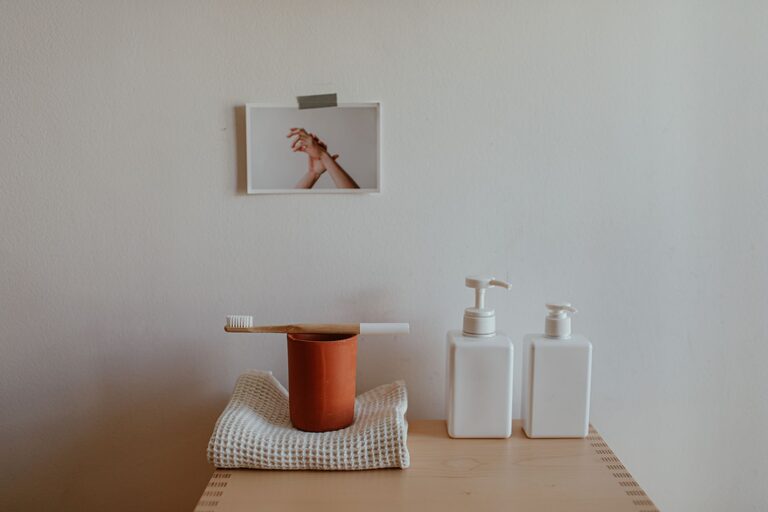
Taking time for self-care is essential for maintaining balance and reducing stress in our busy lives. However, self-care doesn’t have to be expensive or complicated to be effective. You can create a nurturing routine at home that fits your budget and lifestyle. Here are some affordable ideas to get you started on your self-care journey right in the comfort of your own space.
What Is Low-Cost Self-Care?
Low-cost self-care refers to activities that promote physical, emotional, or mental well-being without requiring significant financial investment. These activities often use items you already have or minimal supplies and focus on simple pleasures and mindful practices.
Benefits of Practicing Self-Care at Home
– Saves money compared to expensive spa visits or classes.
– Offers privacy and comfort tailored to your preferences.
– Allows you to build a routine that fits your schedule.
– Encourages creativity by using everyday items around the house.
Self-Care Ideas to Try at Home
1. Create a Relaxing Bath Ritual
A warm bath can be incredibly soothing and rejuvenating. You don’t need fancy bath bombs or oils to enjoy a spa-like experience.
– Use Epsom salts, baking soda, or oatmeal for a skin-soothing soak.
– Add a few drops of essential oils like lavender or eucalyptus if you have them.
– Light candles or play calming music to enhance the atmosphere.
– Take 15–30 minutes to soak, breathe deeply, and relax.
2. Practice Mindful Meditation
Meditation can improve focus, reduce anxiety, and promote emotional health.
– Find a quiet corner where you won’t be disturbed.
– Sit comfortably with your back straight, eyes closed or softly focused.
– Focus on your breath, counting inhales and exhales.
– Start with 5 minutes daily, gradually increasing time as you get comfortable.
– Use free guided meditation apps or videos if you prefer guidance.
3. Enjoy Journaling or Creative Writing
Writing down your thoughts can be a powerful outlet for emotions and ideas.
– Use any notebook or paper you have.
– Write about your day, things you’re grateful for, or your goals.
– Try creative prompts like writing a letter to your future self or describing your favorite place.
– Journaling only requires a few minutes but offers lasting benefits for mental clarity.
4. Make a DIY Facial at Home
Taking care of your skin can be simple and cost-effective.
– Cleanse your face with gentle soap or cleanser.
– Use natural ingredients like honey, yogurt, or mashed avocado for masks.
– For example, mix honey with a little cinnamon for an antibacterial mask.
– Rinse with lukewarm water and gently pat dry.
– Moisturize afterwards using a light lotion or natural oils like coconut or almond if available.
5. Try Gentle Movement Exercises
Physical activity boosts mood and energy but it doesn’t have to be intense or require a gym.
– Practice yoga or stretching exercises using free online videos.
– Take a mindful walk around your neighborhood or in your yard.
– Dance to your favorite music for 10–15 minutes.
– Focus on movement that feels good rather than pushing yourself hard.
6. Prepare a Healthy Homemade Snack or Beverage
Nourishing your body is a key part of self-care.
– Make a simple smoothie with fruits, yogurt, or milk you have.
– Brew a cup of herbal tea like chamomile or peppermint.
– Try homemade infused water with slices of cucumber, lemon, or mint.
– Avoid processed snacks and choose wholesome ingredients.
7. Declutter and Organize a Small Space
A clean and organized environment can improve your mood.
– Choose one small area, like a desk, a drawer, or a closet.
– Sort through items and decide what to keep, donate, or discard.
– Organize what remains in a way that feels pleasing to you.
– Even 10–20 minutes spent decluttering can feel refreshing.
8. Unplug from Technology Periodically
Digital detoxing can reduce stress caused by constant notifications and screen time.
– Set aside specific times when you avoid phones, computers, and TV.
– Use this time to read a book, listen to music, or simply rest your eyes.
– Try a “no screen” hour before bed to improve sleep quality.
9. Engage in a Hobby You Enjoy
Hobbies provide mental stimulation and joy.
– Knit, draw, paint, or craft with materials you have on hand.
– Listen to an audiobook or podcast about a topic that interests you.
– Gardening, baking, or photography can all be low-cost and rewarding options.
10. Practice Deep Breathing or Progressive Muscle Relaxation
Simple breathing exercises help calm your nervous system.
– Sit comfortably and inhale slowly through your nose for a count of four.
– Hold your breath for four seconds.
– Exhale gently through your mouth for a count of six.
– Repeat this cycle several times.
– Alternatively, try tensing and relaxing muscle groups to release tension.
Tips for Making Self-Care a Habit
– Schedule self-care sessions in your calendar like appointments.
– Start small; even 5 minutes daily builds momentum.
– Mix different activities to keep your routine interesting.
– Be kind to yourself; self-care is personal and flexible.
– Reflect on how these activities make you feel and adjust as needed.
Final Thoughts
Low-cost self-care at home is all about nurturing yourself in simple, accessible ways. By incorporating a few of these ideas into your routine, you can enhance your well-being without stretching your budget. Remember, self-care is a journey—not a one-time event—so enjoy discovering what works best for you.
Start today by picking one small activity, and make it a regular part of your day. Your mind and body will thank you!