

Reducing food waste at home is a simple yet effective way to save money, minimize environmental impact, and make the most of your groceries. Every year, millions of tons of food are thrown away worldwide, much of it still perfectly edible. By adopting a few thoughtful habits, you can help reduce this waste while enjoying fresh, delicious meals.
Why Reduce Food Waste?
Food waste contributes to environmental problems, including unnecessary greenhouse gas emissions from rotting food in landfills. It also wastes the water, energy, and resources used to produce, transport, and store food. On a personal level, cutting food waste means spending less on groceries and making your efforts in the kitchen count.
Plan Your Meals Ahead
Make a Weekly Meal Plan
Planning your meals before grocery shopping helps you buy only what you need. Look through your fridge and pantry to check what you already have, and base your shopping list on those ingredients plus your planned recipes.
Write a Shopping List and Stick to It
Impulse buys often end up forgotten and wasted. Sticking to a list reduces the chance of buying items you won’t use.
Smart Grocery Shopping Tips
Buy Loose Produce
Buying loose fruits and vegetables lets you choose exactly how many you need, preventing excess.
Choose Versatile Ingredients
Opt for ingredients that can be used in multiple dishes, so if plans change, you can still use them up.
Avoid Bulk Unless You Can Use It
Bulk buying can be economical but often leads to waste if the food spoils before you finish it.
Store Food Properly
Understand Expiration Dates
“Best by,” “use by,” and “sell by” dates guide quality, not safety. Learn to interpret these labels and use your senses—smell, sight, taste—to decide if food is still good.
Use Airtight Containers
Store leftovers and prepped ingredients in airtight containers to keep them fresh longer.
Keep Fruits and Vegetables Separate
Some fruits release ethylene gas that speeds ripening and spoilage of nearby vegetables. Storing them apart can extend freshness.
Freeze Excess Food
Many foods freeze well, from bread to cooked meals. Use your freezer to preserve food you won’t use right away.
Cook with Leftovers
Plan Leftover Meals
Set aside a day to enjoy leftovers, or incorporate them into new recipes like soups, stews, or stir-fries.
Get Creative
Transform scraps into broths or use wilting vegetables in smoothies, sauces, or casseroles.
Manage Portions
Serve Smaller Amounts
Start with smaller servings and go back for seconds to avoid uneaten food on plates.
Use Smaller Plates
This visual trick can help regulate portion sizes and reduce the amount of food thrown away.
Compost Food Scraps
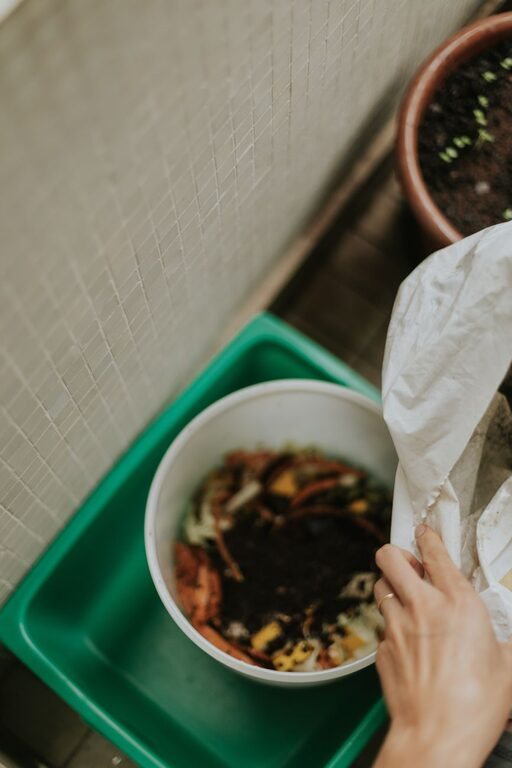
While reducing waste is best, some food scraps are unavoidable. Composting kitchen scraps turns waste into nutrient-rich soil for your garden, closing the food cycle loop.
Educate and Involve Your Family
Encourage everyone in your household to be mindful about food waste. Sharing responsibility helps develop good habits and makes waste reduction easier.
Keep Track and Adjust
Regularly assess what foods you waste most and why. Adjust your shopping, cooking, and storage habits accordingly to improve over time.
—
Reducing food waste at home is not only good for your wallet but also for the planet. With a bit of planning, awareness, and creativity, you can make your kitchen a place where food is valued, enjoyed, and never wasted. Start small and build new habits that fit your lifestyle—every meal saved counts!