

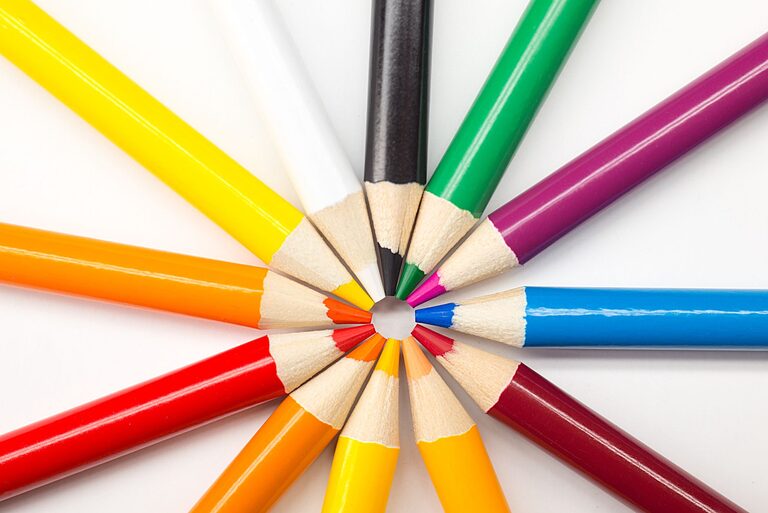
Children’s artwork is a wonderful way to witness their creativity and growth. However, as the drawings, paintings, and crafts accumulate, it can quickly become challenging to keep everything neat and organized. Without a system in place, artwork can end up lost, damaged, or cluttering your home. Fortunately, there are many practical tips to help you manage and preserve your kids’ art while celebrating their creativity.
Why Organize Kids’ Art?
Before diving into methods, it’s helpful to consider why organizing your child’s artwork matters:
– Preservation: Proper storage keeps art safe from wear and tear.
– Memory Keeping: Organized pieces tell the story of your child’s growth and creativity.
– Clutter Reduction: Keeping things tidy prevents overwhelm and mess.
– Display Opportunities: It’s easier to showcase the best pieces when you have a system.
With these goals in mind, here are several effective strategies to organize kids’ art.
Create a Dedicated Art Space
Setting up a specific area in your home for your child’s art supplies and completed work can be a great starting point.
Tips for an Art Space:
– Use shelves or bins labeled by type of material or project.
– Provide a flat surface like a table or desk for creating.
– Incorporate a corkboard or magnetic board to display current favorites.
– Ensure easy access so kids feel encouraged to organize their own art.
Sort Artwork Regularly
One key to maintaining order is sorting new art on a regular schedule, such as weekly or monthly.
Sorting Steps:
- **Gather all new pieces.**
- **Decide which to keep, display, photograph, or recycle.**
- **Categorize by date, type, or theme.**
- **Store or file accordingly.**
Involving your child in this process can also teach them organizational skills.
Use Storage Solutions
Depending on how much artwork you want to keep, there are several practical storage options:
Portfolios and Art Folders
Large, flat portfolios are perfect for storing drawings and paintings without folding or creasing. You can find portfolios in art supply stores or make simple folders with cardboard.
Binders with Plastic Sleeves
Using binders filled with clear plastic sleeves is a great way to organize and protect smaller pieces. You can label the binders by year or child.
Storage Boxes
Decorative or plain boxes can hold bulkier projects like sculptures or crafts. Label boxes clearly and keep them in an accessible place.
Digital Archives
Photographing or scanning artwork creates a digital backup and saves space. Apps and online services allow you to organize and share digital galleries easily.
Display Artwork Creatively
Showcasing your child’s art not only boosts their confidence but also adds personal touches to your home.
Display Ideas:
– Frame rotating favorites on a wall gallery.
– Use clipboards or wire and clips for an easy-to-change display.
– Create a photo book or calendar featuring art highlights.
– Hang a string or wire across a room to clip up new pieces.
Repurpose Artwork
Transforming artwork into other useful or decorative items can be a fun project and reduce clutter.
Repurposing Ideas:
– Turn drawings into greeting cards or gift wrap.
– Make a collage or scrapbook combining multiple pieces.
– Use digital images to create custom items like mugs or t-shirts.
Establish Clear Guidelines
Depending on space and preference, set boundaries for how much art you keep and how often you refresh displays and storage. Communicate these guidelines kindly with your kids to help manage expectations.
Tips for Maintaining Your System
– Review stored artwork at least once a year to remove items that no longer fit your collection.
– Keep all supplies and storage tools in one area for easy access.
– Celebrate completed art with your child to encourage pride and motivation.
– Use labeling and dating to make it easier to track and find artwork.
Final Thoughts
Keeping your kids’ art organized doesn’t have to be overwhelming. By setting up dedicated spaces, sorting regularly, utilizing smart storage, and displaying creations creatively, you can enjoy your child’s artistic journey without the clutter. These tips can help you create a lasting archive of memories while keeping your home tidy and inspiring.
Remember, the goal is to celebrate creativity in a way that feels manageable and joyful for your family. Happy organizing!